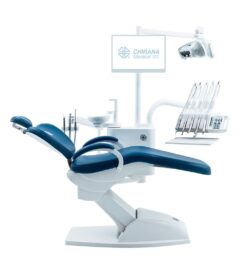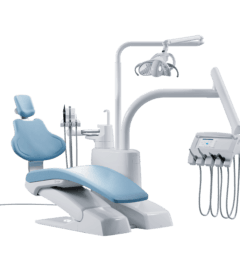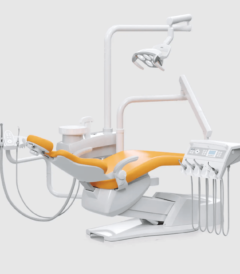
Manual Derma Chairs Guide for Clinics in Dubai: A Practical Buyer Checklist
Manual derma chairs remain a smart investment for clinics in Dubai that want quality and function without the high cost
More Posts

Manual derma chairs remain a smart investment for clinics in Dubai that want quality and function without the high cost
Second hand laser hair removal machines look like a smart cost-saving move, but for many UAE clinics and beauty salons,

Send Us A Message
Questions before buying used medical devices are natural and necessary before making any purchasing decision. When clinics consider investing in pre-owned equipment, uncertainty often follows. Is the device compliant? Will it pass inspection? Can it deliver consistent performance in real treatments?
These concerns are valid. Without clear answers, a cost-saving opportunity can quickly turn into operational stress with unexpected expenses. Many healthcare providers hesitate not because they doubt the value of refurbished equipment, but because they lack structured guidance on how to evaluate it properly. Here is where asking the right questions before committing to a purchase comes in. In this article, we break down the essential questions before buying used medical devices, covering compliance requirements, condition assessment, and long-term ROI, so your clinic can make confident, informed decisions.
Explore Used Medical Devices Middle East from Skyline Medical for verified performance, full compliance, and constant support for your clinic.
The biggest concern when purchasing used medical devices Middle East is making the right decision without exposing the clinic to regulatory, financial, or operational risk, which requires addressing the most critical questions before buying used medical devices.
Buyers, especially in strictly regulated markets like medical equipment Dubai and used medical equipment Sharjah, focus first on regulatory compliance and eligibility for local registration, followed by the device’s condition, service history, and documented refurbishment process. Long-term value is equally critical, including warranty coverage, maintenance costs, and total cost of ownership. Clinics also evaluate system compatibility, software integration, and future treatment relevance. Ultimately, sourcing used medical devices for sale from trusted refurbishers and distributors determines their reliability, ROI potential, and sustained clinical performance. Let’s go through each of these concerns and address what matters to clinics the most:
Regulatory compliance is the first and non-negotiable step when evaluating healthcare equipment UAE clinics plan to purchase, especially when they are 2nd hand medical equipment. Any used or refurbished device must be eligible for local authority registration, fully aligned with approved quality and safety standards, and supported by complete import documentation. This includes a valid used medical device import license, conformity certificates, and traceable records proving lawful entry and refurbishment. Adhering to refurbished medical devices regulations protects clinics from legal risk, delays, and costly penalties while ensuring patient safety and operational continuity.
➕ Read more about: Top Dermatology Equipment for Every Modern Skincare Clinic
Yes, a used device can be registered locally, but only if it meets strict regulatory criteria set by health authorities across the medical devices Middle East markets. Registration confirms the equipment is legally approved for clinical use, not classified as obsolete, and aligned with current safety standards. This step matters because unregistered used medical supplies can expose clinics to fines, license suspension, or forced removal. To verify eligibility, buyers must confirm the device model is still supported by the manufacturer, listed with local regulators, and accompanied by complete technical, conformity, and refurbishment documentation from the supplier.
Yes, used devices can meet required quality and safety standards when they comply with approved refurbished medical devices regulations across the region. This means the equipment has passed functional testing, electrical safety checks, and performance validation aligned with clinic equipment GCC requirements. Compliance is essential because substandard devices put patient safety, treatment outcomes, and clinic licensing at risk. However, clinics can confirm compliance by reviewing inspection reports, calibration certificates, and refurbishment records issued by authorized suppliers, ensuring the device performs reliably under real clinical conditions.
➕ Read more about: Oxygeneo Machine Safety Instructions and Contraindications
Yes, complete import documents and certifications are mandatory for legally supplying used medical equipment within healthcare solutions Dubai. These documents confirm the device’s lawful entry, regulatory approval, and compliance with local standards, protecting clinics from delays, fines, or confiscation. Proper documentation typically includes a valid used medical device import license, conformity certificates, customs clearance records, and refurbishment reports. Clinics should request and verify these documents before purchase, ensuring the supplier is authorized and the equipment can be registered, installed, and operated without regulatory obstacles.
The reliability of used medical devices Middle East depends on clear visibility into the equipment’s condition and operational background. Trusted used medical equipment distributors in Middle East offering used medical equipment for sale should present verified service and calibration records alongside documented refurbishment steps. Assessing the device’s age and prior usage intensity helps estimate remaining service life, while knowing why it was replaced, such as clinic upgrades or capacity changes, adds context to its performance expectations. This transparency enables clinics to balance cost savings with safety, durability, and long-term clinical value.
Yes, reliable suppliers must provide full service and calibration records for any medical equipment Dubai clinics consider purchasing, including used devices. These records document maintenance history, performance testing, and calibration accuracy, proving the device has been properly serviced and remains clinically reliable. They matter because missing records increase the risk of hidden faults, failed inspections, and unexpected downtime. Yet, clinics can verify authenticity by requesting dated service reports, calibration certificates, and refurbishment logs from authorized used medical equipment distributors in Middle East, especially those that sell used medical equipment professionally and transparently.
Equipment age and prior usage directly influence the performance and lifespan of used healthcare equipment UAE. Older systems or heavily used units may require more frequent servicing, while lightly used or recently refurbished 2nd hand medical equipment often delivers stable, cost-effective performance. This factor is critical because usage intensity impacts reliability, downtime risk, and long-term operating costs. Clinics can assess this by reviewing usage logs, operating hours, refurbishment reports, and replacement history provided by the supplier.
➕ Read more about: 7 Common Mistakes Beginners Make in Medical Equipment Maintenance
Understanding why equipment is on the market is essential when buying previously owned medical devices Middle East. The sale could be due to clinic upgrades, relocation, or changes in service offerings rather than equipment failure. Knowing the reason helps assess the equipment reliability and reveal any hidden risks and future maintenance needs for the used medical equipment in UAE. For safety and assurance, buyers should request detailed explanations from the supplier, review maintenance and service records, and, if possible, inspect the device firsthand to ensure that the sale reflects operational upgrades rather than underlying technical issues.
Reliable support and transparent costs are critical when investing in clinic equipment GCC. Suppliers of used medical equipment Sharjah and medical supplies Sharjah should provide local support across all the areas served, with clear warranties, return policies, and guarantees for local maintenance, training, and spare parts availability.
Additionally, evaluating the total cost of ownership (TCO) helps clinics understand additional costs other than the purchase price alone, like ongoing service, repairs, and operational expenses. This helps clinics plan for better long-term value by minimizing downtime, protecting patient care quality, and maximizing ROI overall.
A sufficient warranty and clear return policy are essential when purchasing used medical equipment for any clinic. These protections guarantee that the device meets performance expectations, covers potential defects, and allows recourse if issues arise. After all, clinics relying on healthcare solutions Dubai need uninterrupted operations and patient safety, requiring buyers to be vigilant about verifying warranty duration, scope of coverage, and the process for returns or replacements directly with the supplier. This helps ensure transparency and minimize financial and operational risks before finalizing the purchase.
➕ Read more about: Used Medical Equipment Dubai & UAE: Trusted Buying Guide for Clinics and Hospitals
Yes, reliable suppliers, including leading dermatology device distributors in the UAE, ensure that used medical equipment in UAE comes with access to local maintenance, staff training, and readily available spare parts. This guarantees that devices remain operational, staff can use them safely, and clinics avoid costly downtime. For medical equipment Dubai of this type, buyers should confirm service agreements, training schedules, and spare parts availability before purchase. Verifying these commitments with the supplier helps clinics maintain consistent patient care and extend equipment lifespan. It is also necessary to protect their investment over time.
The total cost of ownership (TCO) goes beyond the purchase price and includes maintenance, servicing, spare parts, and potential downtime for used medical devices Middle East. Understanding TCO is essential because it reveals the real long-term financial impact and operational sustainability of the equipment. For refurbished medical devices, buyers should gather service records, warranty coverage, training costs, and expected lifespan data from the supplier. This process of calculating the TCO ensures clinics make cost-effective decisions while maintaining high-quality patient care.
➕ Read more about: Where Can You Buy Used Medical Equipment in Dubai Safely and Legally?
Beyond refurbished medical devices regulations, compliance, condition, and cost, clinics need to consider broader operational and strategic factors when acquiring medical devices Middle East that have been previously owned and operated. Buyers should ensure the used medical supplies integrate with existing systems, support evolving patient expectations, and meet long-term clinical needs. Evaluating potential ROI and identifying trusted sources that sell used medical equipment also helps maximize value and minimize risk. Let’s dig deeper into other important questions buyers of used medical equipment must get answers for:
Yes, used medical devices can integrate with existing facility systems in the Middle East; however, this is only possible if compatibility is carefully verified beforehand. Effective integration ensures a seamless workflow, besides enabling accurate data transfer and efficient patient management, thereby minimizing operational disruptions. To achieve this, clinics should first review the device’s software requirements, connectivity options, and any potential need for system upgrades. Furthermore, by coordinating closely with leading dermatology device distributors in the UAE and IT teams, buyers can ensure that the used medical supplies communicate effectively with current hospital or clinic management systems, supporting smooth adoption and long-term operational efficiency.
Yes, used medical devices for sale can support evolving patient expectations, provided they are carefully selected and updated. Clinics must assess whether the equipment’s features, software, and performance align with current treatment standards and patient preferences. This is important because outdated or limited-capability devices can compromise care quality and patient satisfaction. To ensure relevance, buyers should review functionality, integration capabilities, and refurbishment quality, confirming that the device delivers modern clinical outcomes while maintaining cost-effectiveness and operational efficiency.
Clinics can achieve a strong return on investment (ROI) when purchasing used medical equipment for sale, if the devices are evaluated for quality, reliability, and suitability. ROI depends on cost savings compared to new equipment, reduced depreciation, and ongoing operational efficiency. It is important because smart investments help clinics expand services without overspending while maintaining high patient care standards. To maximize ROI, buyers should consider refurbishment quality, warranty coverage, expected lifespan, and potential maintenance costs, ensuring the equipment delivers long-term value and consistent performance.
The most reliable way to acquire used medical equipment is through trusted used medical equipment distributors in Middle East. Clinics can explore three main sources: online marketplaces, local distributors, and specialized refurbishers. While online platforms offer variety and refurbishers focus on quality, local distributors, such as Skyline Medical Equipment Dubai, provide the best balance of verified inventory, regulatory compliance, warranty support, and after-sales service. By sourcing through reputable local distributors, clinics ensure safe, compliant, and fully functional and serviced devices while reducing risks associated with unknown suppliers or unverified online listings.
➕ Read more about: Why Skyline Medical is the Best Medical Devices Supplier Middle East for Dermatology and Dental Clinics?
Investing in used medical devices Middle East can transform clinic operations, reduce costs, and expand service offerings, but only when decisions are informed and strategic! Clinics that carefully evaluate compliance, condition, support, and ROI can access high-quality, reliable equipment while saving significantly. The key is asking the right questions before buying used medical devices and sourcing from trusted suppliers to ensure safety, performance, and long-term value. Take the next step: evaluate your options and secure quality refurbished devices today.
In the UAE, clinics distinguish used and refurbished medical devices based on condition, functionality, and restoration processes. Used devices are pre-owned equipment sold in their existing state, often with normal wear but still operational. Refurbished devices, however, have undergone professional inspection, repairs, calibration, and testing to restore them to near-new performance standards. Clinics rely on these distinctions to make informed decisions, ensuring equipment meets regulatory standards while delivering reliable patient care.
Clinics should consider investing in pre-owned medical equipment because it offers a cost-effective way to access high-quality devices without compromising safety or performance. Professionally refurbished equipment provides certified reliability, compliance with regulatory standards, and documented inspection and testing. This allows clinics to expand services, upgrade technology, or replace outdated equipment while managing budgets efficiently.
Clinics may choose pre-owned medical devices when budget constraints, service expansion, or cost-efficiency are key considerations. Pre-owned or refurbished devices provide reliable performance at a fraction of the price of new equipment, making them ideal for smaller clinics, startups, or those testing new services. They are also suitable when the device’s technology is stable and doesn’t require the latest features.
Yes, operating used medical equipment in the UAE is legal when the devices comply with local regulations. Clinics must ensure that each device is registered with the relevant health authorities, meets safety and quality standards, and has proper import documentation, including a valid used medical device import license.
Refurbished medical devices can offer substantial cost savings compared to buying new equipment, often 30% to 60% less, without compromising safety or performance when sourced from reputable suppliers. These savings come from lower upfront costs, reduced depreciation, and minimized capital expenditure, making them ideal for clinics expanding services or managing budgets.
No account yet?
Create an Account