DHA New License: Complete Checklist for Opening Your First Medical Facility in Dubai

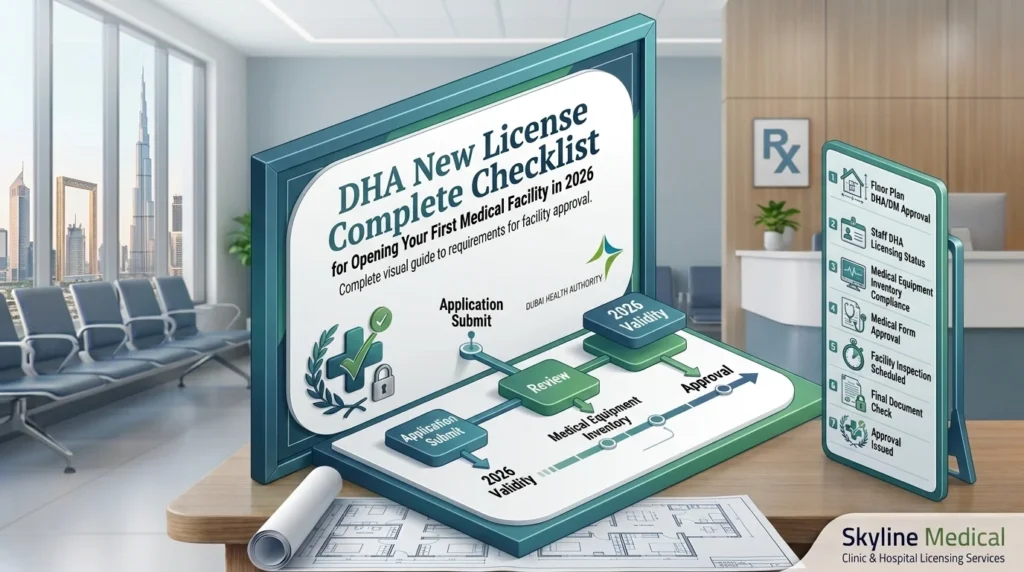
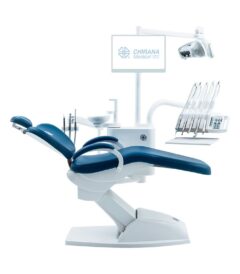
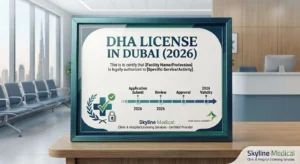
Interactive display featuring a DHA New License complete checklist guide for medical facilities by Skyline Medical.

Table of Contents

More Posts

Send Us A Message

Share:

What if the clinic you spent months building could not legally open its doors?

You sign a lease, install treatment rooms, and announce a launch, only to discover that your layout, approved medical activities, or inspection documents don't meet Dubai Health Authority requirements.

The most expensive mistake can happen before you even submit the application.

A DHA New License is the starting point for establishing a healthcare facility under DHA jurisdiction in Dubai.

It leads first to an inactive facility license, operation requires activation, qualified staff and a successful inspection.

 With Skyline Medical for healthcare licensing and medical approvals, founders can connect regulatory planning with medical fit-out and equipment decisions before committing their full budget.

Quick answer: First obtain DHA initial approval through Sheryan, then finish the facility, trade-license, and workforce requirements, request activation, and pass inspection.

An inactive DHA license is not permission to open.

What Is a DHA New Facility License and Why Do You Need It Before Opening?

A DHA New Facility License is the mandatory licensing pathway for opening a healthcare establishment under Dubai Health Authority (DHA) jurisdiction. 

DHA initially reviews the proposed services, ownership and engineering layout, then issues an inactive license if approved. 

You cannot treat patients until the facility is activated and has passed the required DHA inspection.

The inactive license allows you to complete the clinic setup, but it is not an operating permit.

Before investing heavily in premises or equipment, confirm the correct licensing authority, the proposed clinical scope, and the space needed for those services.

These decisions affect your design, staffing, and final inspection.

Four questions determine the route:

  • Who applies
  • License distinction
  • Inactive approval
  • DHCC jurisdiction

Who Needs a DHA New Facility License in Dubai?

Anyone planning to establish a new private healthcare facility within DHA’s licensing jurisdiction in Dubai must obtain facility approval before offering clinical services, whether the applicant is an individual investor or a company.

The requirement applies to the operating establishment, not just the clinician who owns it.

Confirm the exact proposed activity and site jurisdiction before making commitments:

A new outpatient clinic, dental center or hospital may follow the same two-stage licensing route but will not have the same technical standards.

DHA Facility License vs. DHA Professional License: What's the Difference?

A DHA facility license authorizes a particular healthcare establishment to operate approved services at an approved location, a DHA professional license authorizes an eligible person to practise a defined healthcare profession.

Both approvals matter at opening. A clinic cannot use its facility certificate to cover an unlicensed doctor, nor can a licensed doctor treat patients from premises whose facility status remains inactive.

Align the facility’s approved specialties with the credentials and practice permissions of the staff you intend to employ.

Need the professional side of the picture?

DHA License in Dubai (2026): Types, Requirements & Your Complete Application Guide explains how clinicians obtain their individual DHA license and why it has to be linked to an active facility.

Click Here

Initial DHA Approval vs. Active Facility License: What Can You Actually Do?

DHA initial approval results in an inactive facility license:

It allows the project to move toward readiness, but it does not permit patient consultations or treatment until activation and final inspection are completed.

During the inactive stage, finalize the premises, fit-out, equipment, EMR system, and staffing against the approved facility scope.

Before advertising an opening date or booking patients, verify that the facility record in Sheryan is active and that its practitioners are appropriately licensed and activated.

Does DHA Licensing Apply to Facilities in Dubai Healthcare City?

Not through the same standard route:

Healthcare operators located inside Dubai Healthcare City are subject to the Dubai Healthcare City Authority regulatory licensing framework rather than automatically using DHA’s Sheryan facility application.

Jurisdiction follows the precise location and type of permitted activity, not merely a Dubai postal address.

Before signing a lease, ask the free-zone or property authority which entity issues the clinical operating license, DHCA has its own facility review, fit-out, and pre-operational assessment processes.

Types of Medical Facilities You Can License with DHA in Dubai

DHA licenses different types of healthcare facilities, including general and specialist clinics, dental and diagnostic centers, day surgery facilities, and hospitals. 

The right category is determined by your approved services, care complexity, and clinical risk, not merely your business name.

Each category brings different requirements for rooms, equipment, staffing and approvals.

A consultation clinic will not need the same infrastructure as a facility providing imaging, sedation, or surgery.

Select the category before finalizing the lease or drawings, and describe every planned specialty accurately.

Adding services after approval can require amendments and further design work.

Choose your future facility category:

  • General clinics
  • Dental and diagnostics
  • Surgery and hospitals
  • Category requirements

General and Specialty Medical Clinics

A general medical clinic or specialty outpatient clinic must be licensed for the consultations, procedures, and clinical disciplines it actually plans to deliver, with rooms, clinicians, and equipment appropriate to each approved service.

Define the patient journey first: reception, consultation, examination, minor treatment if applicable, and discharge. 

A dermatology practice planning invasive procedures may need different spaces and safety arrangements from a consultation-only clinic.

Avoid requesting unrelated specialties simply to preserve future options, additional services can require later amendments.

Dental Clinics, Aesthetic Clinics and Diagnostic Centers

Dental, aesthetic, and diagnostic facilities must match their declared treatment or testing activities with the relevant premises, competent professionals, infection-control arrangements, and specialized equipment before the license is activated.

For example, a dental clinic needs treatment-room utilities and sterilization planning, while an imaging service may require radiation-related authorization and room protection. 

Aesthetic services must be described accurately because cosmetic treatment privileges and device-related obligations are not interchangeable with a general clinic license.

Planning a dental or aesthetic facility?

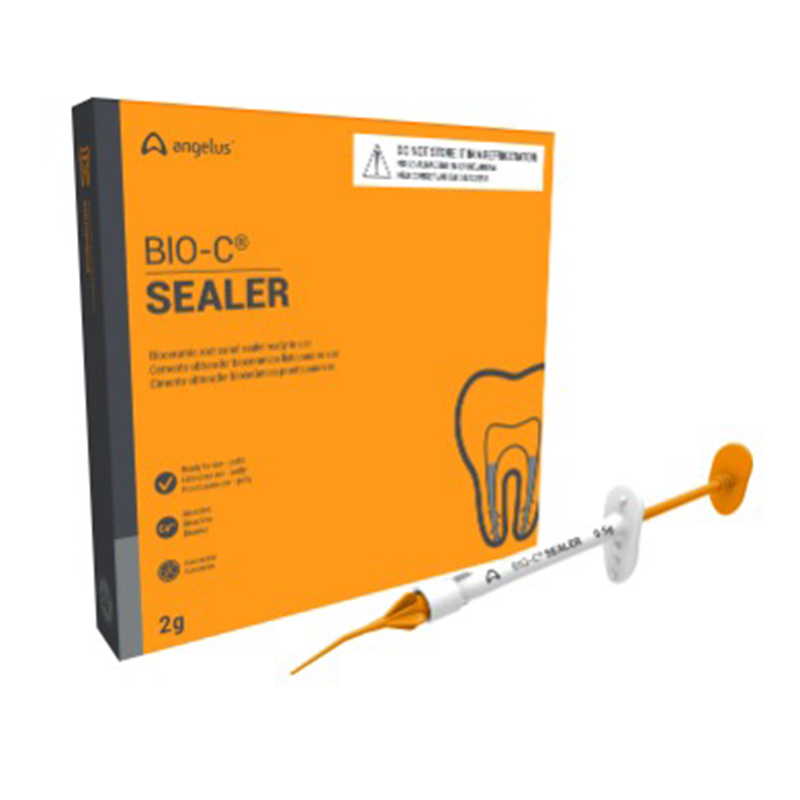
Browse Dental Equipments and Derma Equipments to match each planned treatment with the equipment your licensed scope will need.

Click Here

Day Surgery Centers and Hospitals

Day surgery centers and hospitals require a more complex facility approval plan because they provide procedures or levels of care that demand dedicated clinical support, patient monitoring, emergency readiness and staffing arrangements.

Budget for more than operating theatres or patient rooms.

Depending on the approved scope, recovery, sterile processing, waste handling, medical gases, transfer routes and supporting departments may need to be shown on the design.

 Confirm any relevant land-use or municipality approvals before purchasing or converting a site.

How Your Facility Category Affects DHA Licensing Requirements

The facility category controls which specialties can be requested and influences the DHA design review, staffing model, equipment expectations, inspection criteria and the fees displayed for the application.

Choose the category from the services and intensity of care you intend to provide not from the label that seems least expensive. 

A mismatch can force redesign, prevent activation or trigger a later amendment.

Record your approved category and activities in one master scope document shared by your designer, recruiter and equipment supplier.

DHA New License Requirements in Dubai: Are You Ready to Apply?

A DHA New License application requires identified owners, an authorized representative, a proposed facility category and location, a facility proposal, and an engineering layout. 

The initial application can be filed without a trade license, however, a valid trade license, linked healthcare professionals, a medical director, and inspection-ready premises are required for activation.

Treat these as two readiness stages: an approvable project on paper and a safe, functioning facility on site.

Confirm that the premises support the intended specialties, and plan the necessary electronic medical record (EMR) system, staffing, and equipment before construction.

This prevents early approval from leading to an impractical opening plan.

Verify five readiness areas:

  • Owners and representatives
  • Location and scope
  • Trade license
  • Clinical staffing
  • NABIDH records

Business Ownership and Authorized Representative Requirements

DHA accepts applications from investors and duly delegated representatives, but the applicant must accurately identify the facility owners or partners and be authorized to submit information on their behalf.

Prepare valid owner or partner passport copies and Emirates IDs where applicable, using consistent legal names across the application and business records. 

If a consultant submits the file, document the authorization clearly and ensure the owner can access the account, notices and final approval records.

Choosing the Right Location and Approved Medical Activities

A suitable location is one that can legally accommodate your proposed medical activities and physically support the required treatment rooms, accessibility, safe circulation, and clinical engineering infrastructure.

Assess the premises before making non-refundable commitments.

Check usable floor area, existing plumbing and HVAC, available electrical capacity, entrances, lifts, and potential imaging or sterile-processing spaces. 

A visually appealing unit may be impractical once actual room functions and equipment clearances are mapped.

DHA Trade License Requirements: Do You Need One Before Applying?

No: DHA states that a trade license is optional when filing the initial New Facility License request, but a valid trade license is a prerequisite when the facility later applies for license activation.

This sequencing lets founders seek initial facility approval while commercial arrangements are being completed.

However, the business name, legal entity, and licensed activities should remain consistent across the commercial license and DHA record.

 Secure the necessary trade documentation well before the inspection stage to avoid an activation bottleneck.

Medical Director and Healthcare Professional Licensing Requirements

To activate a DHA facility license, the operator must appoint a medical director and add or activate appropriately licensed healthcare professionals under the facility for the services it intends to provide.

Make a staffing matrix by specialty, professional title, and operating schedule.

Check that each clinician’s DHA status and authorised scope fit the facility activities, and allow time for any pending registration or employment paperwork.

Staffing is an activation requirement, not an item to start after patients arrive.

Electronic Medical Records (EMR) and NABIDH Compliance

A new DHA healthcare facility must prepare an electronic medical record system that satisfies applicable NABIDH minimum-data, interoperability, and connectivity requirements, with evidence of installation available for activation.

Choose the EMR early enough to configure patient records, roles, access controls, clinical templates and required integration.

Do not assume that a system marketed as “clinic software” automatically meets DHA’s current NABIDH and authentication rules, obtain written evidence of compliance from the vendor and test workflows before inspection.

DHA New License Checklist: Every Document and Approval You Need

For initial DHA approval, prepare owners’ or partners’ valid passport copies, Emirates IDs where applicable, a facility proposal, engineering drawings, and the trade license if available.

 Activation requires a valid trade license and completion of the applicable staffing, premises, equipment, and inspection requirements.

Additional permissions depend on the facility’s services.

Keep the facility name, ownership details, address, and clinical activities consistent across Sheryan, the drawings, and commercial paperwork. 

Maintain a separate register of any specialist approvals, including who will obtain them and by what stage.

A coordinated document set reduces revisions and helps everyone work from the same scope.

Organize these application documents:

  • Owner IDs
  • Facility proposal
  • Engineering plans
  • Additional permits

Owner and Partner Identification Documents

The core ownership documents for a DHA new facility application include valid passport copies for the owners or partners, together with Emirates IDs where applicable and accurate applicant identification details.

Check expiry dates, passport spellings and consistency across company records before upload.

Where several partners are involved, make the ownership list unambiguous, where a third party applies, retain the authorization record.

Small discrepancies can produce clarification requests and slow the review.

Medical Facility Proposal and Business Activity Details

The facility proposal must describe what kind of healthcare establishment you intend to open, which medical activities it will offer, and how the planned service model matches the proposed facility category.

Write the proposal around actual clinical operations: target patient services, specialties, major procedures, and supporting spaces.

Cross-check every declared service against the floor plan and your recruitment plan.

Avoid vague language such as “all medical services,” because the regulator reviews a defined and achievable scope.

Engineering Layout and Medical Facility Floor Plans

DHA requires an engineering layout prepared by a design or engineering company, the plans should demonstrate that the proposed clinical rooms, circulation and supporting services can accommodate the intended facility scope.

Use readable room labels, locations of key functions, and relevant technical provisions.

Match the drawing version to the application and retain a controlled copy for contractors and inspectors.

If the scope or layout changes during construction, check whether DHA design review or an amendment is needed before proceeding.

Trade License, Property Documents and Additional Approvals

Include the trade license in the initial DHA application if already available, and make sure a valid commercial license is ready for activation, property and other government approvals depend on the site and facility category.

Keep tenancy, land, or landlord permissions aligned with the business activity, and determine whether municipality, free-zone, building, or specialist authority clearances apply.

Hospitals and day surgery projects can involve additional land-use considerations.

Do not treat a facility approval as permission to disregard building or commercial controls.

How to Apply for a DHA New Facility License: 7 Steps from Application to Approval

To obtain a DHA New Facility License, submit the facility details, proposal, and engineering layout through Sheryan, pay the applicable fee, and obtain the inactive license after approval. 

Then complete the fit-out, trade licensing, equipment, and clinical staffing requirements, request activation, and pass the DHA final inspection before opening to patients.

Manage the seven steps as a sequence of regulatory and construction milestones.

Keep the medical services aligned with the drawings, test technical systems before requesting inspection and confirm that required professionals are ready.

Coordinating licensing and clinic delivery early can prevent expensive last-minute changes.

Follow the seven application steps:

  • Sheryan account
  • Category and documents
  • Inactive approval
  • Fit-out and staffing
  • Activation and inspection

Step 1: Create Your Facility Account on the DHA Sheryan Portal

Begin the DHA New Facility License process through the official Sheryan facility services account, using a representative who has the authority to act for the owners and receive application correspondence.

Set one accountable person to monitor submission status, payment requests, and clarifications.

Save login and delegation information securely, enter consistent company details, and keep a local record of every application reference.

An organized account reduces delays when DHA returns a request for correction.

Step 2: Select Your Medical Facility Category and Services

Select the facility category, specialties, and related activities that precisely reflect your proposed clinical model, these choices determine the requirements against which your floor plan and operational readiness will be assessed.

Before submission, compare the service list with the rooms required, your budgeted equipment, and planned professional titles.

A general clinic intending to introduce dental imaging or day procedures should not assume those services are automatically covered by the original category.

Step 3: Submit Your Facility Proposal, Documents and Engineering Layout

Upload the ownership identification, facility proposal, and engineered layout requested by DHA, then check that all three describe the same legal applicant, location, clinical services, and physical configuration.

Use a document-control checklist with dates and revision numbers.

A common avoidable problem is a proposal naming one specialty while the plan shows rooms for a different service.

Review every upload at readable resolution and respond promptly to requests issued through Sheryan.

Step 4: Pay the DHA Fees and Obtain Your Inactive Facility License

After the complete new facility application is submitted and the applicable fees are paid, DHA reviews the request and (if approved) issues an inactive facility license rather than permission to begin seeing patients.

Retain the approval and the exact drawings or scope on which it was based.

Use that approved record to guide procurement and fit-out, and plan the next activation stage as a separate task with its own supporting documents, fees, and inspection.

Step 5: Complete Your Medical Fit-Out, Equipment and Staffing Requirements

Before activation, complete the premises according to the approved layout, commission essential medical equipment, configure a suitable EMR system, and secure the medical director and appropriately licensed staff.

Conduct a room-by-room readiness review:

Utilities work, devices are safe, infection-prevention supplies are available, and clinical routes match the intended procedures.

Keep equipment records, staff details, and the approved plan in an inspection folder.

Do not rely on a contractor handover alone as proof of clinical readiness.

Equipping your treatment rooms?

Dental Chairs, Dental Compressors, and Dental Suction units all depend on the utility points in your approved layout, so confirm those first.

Click Here

Step 6: Submit Your DHA Facility License Activation Request

Apply for activation through Sheryan only when the facility holds a valid inactive DHA license, has a valid trade license, and can demonstrate a medical director, staff, infrastructure, and operational readiness.

Avoid preventable launch delays: coordinate approvals, contractors, and inspections through clinic and hospital licensing services in Dubai before confirming your opening date.

Before submitting, reconcile the online facility profile with the installed equipment and staffed specialties.

Because DHA coordinates an inspection during this service, make sure a responsible manager can attend and produce the required documents immediately.

Step 7: Pass the DHA Inspection and Receive Your Active Facility License

DHA issues an active facility license after the required activation review and successful final inspection, clinical services must not begin while the facility is still shown as inactive.

Treat any inspection findings as a written corrective-action plan: name an owner, fix the underlying issue, and verify the correction before reinspection.

Once the active license is issued, confirm the status of the linked professionals and retain the electronic approval for operational records.

DHA Medical Facility Design and Fit-Out: How to Get Your Clinic Approval-Ready

A DHA approval-ready medical fit-out matches the authorized clinical services and meets applicable healthcare design, accessibility, infection prevention, engineering, and equipment requirements.

A visually finished clinic is not necessarily compliant:

Its rooms and technical systems must be suitable for safe treatment and ready for final inspection.

Design around the patient and staff journey, including entrances, treatment flow, hand hygiene, clean and used materials, utilities, and equipment access.

Imaging, sterilization, and invasive procedures may require additional provisions. Involve the clinical team, designer, and equipment supplier before construction to minimize rework.

Prioritize these design requirements:

  • Medical layout
  • Safety and infection
  • Technical equipment
  • Radiation permissions

DHA Medical Facility Layout and Space Planning Requirements

Medical space planning must translate the approved specialty mix into suitable rooms, patient and staff routes, support areas, and engineering provisions in line with the applicable DHA Health Facility Guidelines.

Room sizes, utilities, and workflows should follow applicable DHA guidelines.

Medical fit-out and interior design services can be considered while design changes are still economical, not after partitions and services are installed.

A reliable design starts with clinical workflows, not decoration:

Determine where patients register, consult, undergo treatment, recover, and leave, then locate clean supplies and waste routes accordingly.

Inspect proposed layouts for accessible movement, adequate working clearances, and practical device placement before the fit-out is fixed.

Infection Control, Accessibility and Patient Safety Standards

An inspection-ready clinic must incorporate infection-prevention measures, accessible movement, and patient-safety safeguards into its physical design and daily operation, not just select easy-to-clean finishes.

Consider hand-hygiene points, appropriate separation of clean and soiled functions, waste handling, safe storage, patient privacy, and movement for people with reduced mobility.

Then verify that these design decisions are supported by staff procedures, housekeeping arrangements, and actual supplies at opening.

Mapping your sterilization area?

Compare Autoclaves, Ultrasonic Cleaners and Sealing Machines against your clean-to-soiled workflow.

Medical Equipment Installation and Technical Requirements

Every medical device installed for the new facility must be appropriate for the approved clinical activities and supported by suitable space, utilities, commissioning, and maintenance arrangements.

Coordinate the equipment schedule with room drawings and commissioning records.

Review medical equipment for healthcare facilities alongside clinic authority requirements and essential equipment without assuming any product itself guarantees DHA approval.

Before placing orders, confirm the equipment schedule against room dimensions, electrical loads, plumbing, ventilation, and any specialist needs.

Ask suppliers for installation requirements, training, and servicing documentation.

Devices should be operational and traceable for inspection, ownership of an impressive machine does not expand your licensed clinical scope.

Additional Approvals for X-Ray, Radiation and Specialized Equipment

If the clinic plans to possess or use regulated ionizing-radiation devices, such as dental or diagnostic X-ray equipment, it may need a separate FANR authorization in addition to its DHA facility approval.

Assess X-ray and other radiation-generator requirements before purchase or installation.

The FANR license guide for UAE healthcare facilities explains the separate pathway, specific obligations must be confirmed with FANR.

Identify radiation-generating equipment before buying it: Review the relevant regulated activity, room protection, technical specifications, and licensing route with the competent authority.

FANR permissions are equipment- and activity-specific, so the precise requirements should be checked before import, installation or clinical use.

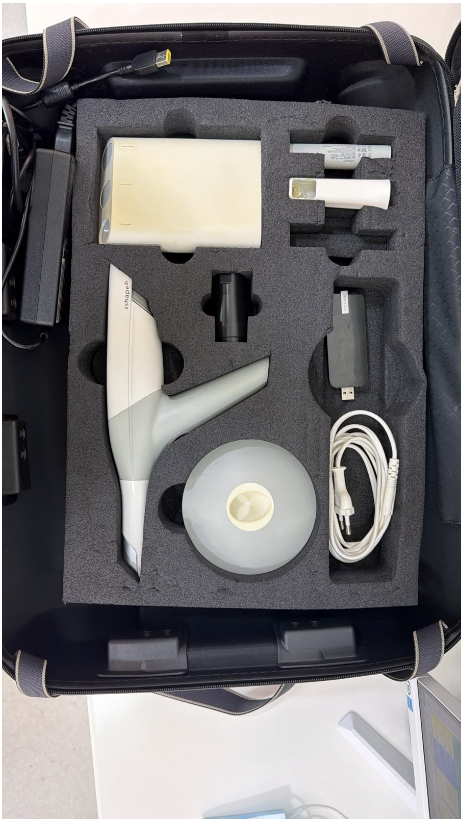
Buying X-ray or imaging equipment?

DHA Facility Inspection Checklist: What Gets Checked Before You Open?

The DHA facility inspection checks whether the completed premises are ready to provide the approved healthcare services safely.

Inspectors assess the applicable layout, clinical activities, personnel, equipment, and safety arrangements.

Only a successful inspection and completion of activation allow the facility to move from inactive status to an active DHA license.

Before inspection, compare the installed rooms and equipment with the approved plans, verify that critical systems function, and confirm that the required staff and records are available.

A mock inspection can expose missing items early.

If DHA identifies deficiencies, correct them and complete the re-inspection process before opening.

Check operational readiness before inspection:

  • Approved rooms
  • Qualified staffing
  • Equipment inventory
  • Inspection corrections

What DHA Inspectors Check During the Final Inspection

DHA’s final facility inspection checks whether the completed premises and operating arrangements satisfy the conditions relevant to the approved category, clinical activities, and facility design.

The review may examine rooms and patient routes against approved layouts, professional and medical director readiness, medical equipment, infection-control arrangements, and operational records.

Build one evidence folder and assign someone able to explain how the clinic safely delivers each listed service.

How to Prepare Your Medical Facility for a Successful Inspection

The strongest preparation is a documented internal mock inspection against DHA’s applicable self-inspection guidance, the approved plans, and the actual services the facility wants to activate.

Walk a patient through registration, examination, treatment, and discharge; verify every room label, device, and staff assignment.

 Test utilities and EMR access, resolve defects, then photograph or log completed corrective actions.

Arrange for the medical director and facility representative to answer technical questions on inspection day.

Building your inspection-readiness list?

 Browse our Authority Requirements category for emergency equipment, patient mobility, and hygiene supplies, and confirm the exact list for your facility category with DHA.

Click Here

What Happens If Your Medical Facility Fails the DHA Inspection?

If the facility does not pass DHA’s final inspection, its license cannot be activated until the deficiencies are corrected and the applicable re-inspection process is successfully completed.

Review each finding, distinguish documentation gaps from construction or equipment defects, and assign deadlines before seeking another visit. 

DHA indicates that re-inspection requires additional payment.

Avoid rescheduling before the underlying issue has been independently checked, or the project may incur another avoidable delay.

DHA New License Fees in Dubai: How Much Does It Really Cost?

DHA New License costs vary by facility category, licensing stage, and selected license term.

The regulatory charges can include initial approval, activation, inspection, and any re-inspection.

A realistic opening budget must also cover the trade license, property, healthcare fit-out, medical equipment, staffing, EMR systems, and activity-specific permits.

Distinguish DHA charges from the full clinic setup cost when comparing quotations.

Confirm your exact category and current fees within Sheryan, then budget for design, commissioning, and pre-opening operations.

Include a contingency for technical corrections, the first approval payment is only one part of the investment.

Budget for three cost groups:

  • Initial approval
  • Activation and inspection
  • Project costs

DHA Initial Approval and Facility License Activation Fees

DHA charges for the new facility’s initial approval and for subsequent license activation as separate services, the total depends on the facility category and selected license duration rather than one universal clinic price.

Use the live Sheryan fee schedule and application checkout to build your estimate, because categories and terms can produce different amounts.

Keep initial approval, activation, and commercial licensing on separate budget lines, and allow for any additional government levies stated at payment.

DHA Inspection and Re-Inspection Fees

Facility inspection is a separate cost within the activation process, and a failed inspection can trigger a further re-inspection fee in addition to remediation work.

Budget for the first inspection and a contingency rather than assuming one visit is guaranteed.

The more expensive consequence of failure can be delayed rent-bearing opening and contractor rework, so complete a formal internal inspection before asking DHA to schedule the regulatory visit.

Additional Costs: Trade License, Medical Fit-Out and Equipment

The full cost of opening a medical facility in Dubai extends beyond DHA fees to commercial licensing, premises, design, construction, equipment, clinical IT, staffing, and testing or commissioning.

Create a cost plan linked to each approved specialty and room.

Separate one-time capital expenditure from recurring expenses such as rent, support contracts, payroll, and software.

Purchase equipment only when the clinical scope, site services, and installation requirements are confirmed, avoiding costly items the license does not cover.

Keeping the budget under control?

Compare Used Equipment and Clinic Furniture options alongside new equipment, and ensure every item aligns with your approved services.

Click Here

How Long Does DHA New Facility License Approval Take?

DHA currently publishes an average of five working days for the initial New Facility License service.

That is not the total time needed to open a clinic.

Fit-out, trade licensing, recruitment, systems commissioning, activation, and the final inspection happen on separate schedules and can extend the overall project timeline.

Create a milestone plan that separates DHA application review from site preparation and external approvals.

Allow time for drawings to be revised, equipment to be installed, and any inspection issues to be corrected. 

An opening date should follow demonstrated operational readiness rather than the date the first application was submitted.

Distinguish the two timelines:

  • DHA service timelines
  • Clinic launch timeline

DHA Application Processing Time vs. Total Clinic Setup Timeline

DHA’s published average processing time of five working days applies to the initial New Facility License service, it is not a complete estimate for leasing, building and opening a medical clinic.

The project schedule must also include clinical design, commercial documents, contractor works, specialist approvals, EMR configuration, professional licensing and the final activation inspection.

Build a dependency-based timeline:

A delayed drawing approval or radiation permit can affect several later milestones, even if DHA processes the initial request promptly.

Common Factors That Delay DHA License Approval

Applications and clinic openings are commonly delayed by inconsistent documents, unsuitable layouts, unanswered regulator requests, unfinished fit-out, unlinked staff, or inspection findings.

Prevent delays by maintaining one approved version of the service scope, a responsibility matrix, and a dated document tracker. 

Test the premises against room requirements before leasing, and plan inspections only after construction, EMR, and staffing teams have signed off readiness.

Common DHA New License Mistakes That Could Delay Your Clinic Opening

The biggest DHA licensing mistakes are leasing an unsuitable property, submitting inconsistent documents or drawings, buying equipment before checking its requirements, and assuming an inactive license permits treatment. 

These errors can create redesign work, repeated authority submissions, extra inspection costs, and a delayed opening.

Prevent them by validating the site and clinical activities before major spending, assigning one person to control application documents, and checking the completed premises against the approved plans. 

Confirm staffing, systems, and specialist approvals before requesting inspection.

A realistic readiness review is more useful than a rushed submission.

Avoid these recurring mistakes:

  • Property suitability
  • Application accuracy
  • Operational readiness

Choosing a Property Before Checking DHA Design Requirements

Signing a lease before assessing clinical compliance is risky because the premises may lack the area, access, engineering capacity or permissible use needed for the proposed medical specialties.

Commission an early feasibility check showing actual room layouts, patient and staff routes, disability access and equipment needs. 

If structural changes or utility upgrades are required, price them before committing.

A lower rental rate can be outweighed by redesign, construction and delayed opening costs.

Prefer a ready-made clinic to a new build?

Browse Clinics for Sale in Dubai, and confirm the license and layout position with DHA before you commit.

Submitting Incomplete Documents or Incorrect Facility Layouts

Missing ownership information, mismatched proposal details, or drawings inconsistent with the selected specialties can cause avoidable clarification requests and revisions during DHA review.

Use a single master document that lists the legal owner, facility category, services, and room schedule. 

Compare every attachment to it, check drawing revision numbers, and remove obsolete files.

The same accuracy should continue during fit-out so that the inspected facility still matches what DHA reviewed.

Overlooking Staffing, Equipment and Final Inspection Requirements

Receiving the inactive facility license is only the first stage, activation still depends on the ready premises, suitable medical devices, linked clinicians, a medical director, and a successful inspection.

Prepare an activation tracker at the beginning of the project, not at the end.

Assign separate owners to professional licensing, recruitment, equipment installation, EMR evidence, and compliance checks.

 Make opening-date commitments only after these critical tasks are substantially complete.

After Your DHA Facility License Is Active: What Comes Next?

An active DHA facility license authorizes the approved establishment to operate, but compliance continues after opening.

The facility must stay within its licensed clinical scope, maintain suitable staffing and safety arrangements, renew the license on time, and obtain DHA approval for regulated changes such as expansion, layout modifications, or added specialties.

Build renewal dates, professional credential checks, medical equipment maintenance, and internal audits into normal operations.

 DHA provides separate services for renewal and facility amendments.

Before adding a treatment room or a new procedure, confirm whether your active license and premises approvals cover the proposed change.

Maintain these ongoing obligations:

  • Ongoing compliance
  • License renewal
  • Facility amendments

Maintaining DHA Compliance After Opening

After activation, the operator must continue providing only approved clinical services while maintaining appropriately licensed staff, safe facilities, equipment performance, and required healthcare records.

Keep documentation, equipment maintenance, and internal checks organized for future inspections.

Medical equipment maintenance and technical support can support equipment uptime, while compliance responsibility remains with the licensed operator. 

Create recurring checks for professional-license status, cleaning, preventive maintenance, incident reporting, clinical protocols, and record access.

 Keep inspection and servicing evidence available.

If the practice introduces a new device or procedure, confirm whether it changes the existing authorized scope before marketing the service.

Running X-ray equipment?

Keep your FANR deadlines in view too: FANR License Renewal in the UAE: Deadlines, Documents & How to Avoid Penalties explains the 90-day filing rule.

Click Here

DHA Facility License Renewal Requirements

An active or inactive DHA facility license is renewed through the Sheryan Renew Facility License service, which opens for renewal within 90 days before expiry and requires the applicable fees and documentation.

For active facilities, DHA lists a valid, renewed trade license and any applicable accreditation evidence among the requirements.

Review unpaid facility or professional fines, current clinical activities, and staff status early.

Build renewal reminders into the practice calendar rather than addressing them only after expiry.

When You Need DHA Approval to Modify or Expand Your Facility

Changes such as adding or removing specialties, altering the approved layout, expanding the premises, or changing facility category may require the DHA Amend Facility License service before implementation.

The review path depends on whether the license is active and what is changing; some amendments require inspection.

 If your project is expanding, review Skyline’s healthcare licensing articles before starting works.

The route differs by existing license status: inactive facilities may need design-modification review, while relevant amendments to active facilities can involve approval and inspection. 

Record the intended change and consult the applicable service requirements before construction, procurement, or advertising the new activity.

Want to avoid the usual FANR account errors before you apply?

7 Common Mistakes Clinics Make When Opening a FANR Account shows what to check first.
Click Here

Ready to Open Your First Medical Facility in Dubai? Your Next Steps

Begin with the right authority and facility category, confirm that the property and layout can support your intended treatments, then align licensing, trade registration, design, equipment, staffing, and inspection within one practical schedule.

 This integrated approach reduces avoidable revisions and protects your investment before the clinic begins earning revenue.

Create a clear owner for every approval and a documented readiness checkpoint before requesting inspection.

 For support aligning the regulatory requirements with clinic design, equipment and opening preparations, contact Skyline Medical about clinic licensing and setup so that the opening plan is built around actual DHA requirements rather than guesswork.

Prioritize these next steps:

  • Confirm jurisdiction
  • Validate facility design
  • Sequence opening tasks

DHA New Facility License FAQs: Answers for First-Time Clinic Owners

  • Ownership and trade
  • Inactive approval
  • FANR and inspection
  • Sheryan tracking

1. Can I Apply for a DHA New Facility License Without a Trade License?

Yes. DHA explicitly treats a trade license as optional at the initial New Facility License application stage, but the facility must have a valid trade license before applying to activate operations.

Founders can therefore begin DHA’s facility review while completing commercial arrangements. Keep the applicant name and proposed medical activities consistent across both records, and do not confuse initial approval with permission to see patients.

2. Can a Non-Doctor Own a Medical Facility in Dubai?

DHA’s New Facility License service accepts investors and authorized representatives, so medical qualification is not stated as a universal prerequisite for the owner; the business must still satisfy relevant ownership and operating laws.

A non-clinical investor cannot personally provide medical care merely because they own the clinic. The facility needs an eligible medical director and suitably licensed professionals for its approved specialties. Confirm the chosen corporate structure with the relevant commercial licensing authority.

3. Can I Open My Clinic with an Inactive DHA Facility License?

No. An inactive DHA facility license records initial approval only; the clinic may not start examinations, consultations or treatments until it receives its active facility license following the activation and inspection process.

Complete the approved fit-out, trade license, equipment readiness, EMR and staffing arrangements first. Then submit the activation request and wait for the facility status to become active before scheduling clinical appointments.

4. Do All Medical Facilities Need the Same DHA Approvals?

No. The applicable approvals depend on the establishment’s category, clinical specialties, treatment complexity, physical layout and any regulated equipment or special services included in its scope.

A basic consultation clinic has a different risk profile from a day surgery centre or dental practice with X-ray equipment. Review requirements against the exact proposed service list rather than copying another business’s approvals or floor plan.

5. Does Every Medical Clinic Need FANR Approval?

No. FANR authorization is linked to regulated radiation sources or radiation-generating activities, not to the ordinary operation of every outpatient medical clinic.

If you intend to acquire dental X-ray, medical radiography or comparable equipment, check the relevant FANR licensing or registration requirements before possession and use. A consultation-only facility without regulated radiation equipment generally does not need that authorization solely because it is a clinic.

6. What Happens If My DHA Facility Inspection Fails?

The facility remains unable to activate and operate until it corrects the inspection findings and completes DHA’s required re-inspection or follow-up approval process.

Review the inspector’s findings with the responsible designer, contractor or clinical lead and document each correction. DHA states that re-inspection fees apply where a fresh inspection is required; schedule it only after verifying every deficiency has been fixed.

7. How Can I Track My DHA New License Application Through Sheryan?

Log in to the healthcare facility’s Sheryan account and use its application reference and status information to monitor review progress, requests for clarification and the resulting license decision.

Have one authorized person check the portal and registered email regularly. Save application confirmations, payment records and uploaded drawing versions so questions can be answered quickly without conflicting information or duplicated submissions.
The Author’s Profile

  • Name: Malik Abu Shamaa

  • Profession: Biomedical Engineer

  • Experience: 7 years 

  • Expertise: Certified KaVo Expert

Equip Your Clinic with Trusted Devices

Recommended Products from Skyline