All You Should Know about Laser Hair Removal Machines
Laser hair removal machines are the deciding factor between delivering exceptional client results and facing constant breakdowns, low efficiency, and
More Posts

Laser hair removal machines are the deciding factor between delivering exceptional client results and facing constant breakdowns, low efficiency, and

The best tattoo removal laser machine is no longer a luxury for dermatology clinics, as it has become a direct

Send Us A Message
The difference between medical supplies and medical equipment is a common source of confusion for many clinics, often leading to misclassified purchases that disrupt budgets and create compliance issues. Knowing what are medical equipment and supplies helps healthcare teams choose the right products, plan spending more accurately, and avoid regulatory setbacks. This article simplifies the distinction, explains how each category functions in daily clinical workflows, and guides you toward making clearer, more confident procurement decisions that support long-term operational efficiency.
Skyline Medical supports UAE clinics with approved medical equipment, essential supplies, and dependable after-sales service for compliant, efficient operations.
The real difference between medical supplies and medical equipment comes down to how they are used in clinical settings. Medical supplies are consumable items, such as gloves, syringes, needles, and dressings, designed for short-term or single-use applications that support daily patient care. In contrast, medical equipment refers to long-lasting, durable tools and machines that require installation, calibration, or ongoing operation, including devices like patient monitors, suction units, and ultrasound systems.
To make this distinction clearer, the table below highlights how the two categories differ in usage, lifespan, cost, maintenance, compliance, and storage:
| Category | Medical Supplies | Medical Equipment |
|---|---|---|
| Usage | Consumable items used once or for a short duration in routine patient care | Durable tools and machines used repeatedly for diagnostics, treatment, or monitoring |
| Lifespan | Short-term, replaced frequently | Long-term, designed for years of consistent use |
| Cost | Low individual cost, purchased in bulk | Higher upfront investment, considered a capital asset |
| Maintenance | No maintenance needed | Requires calibration, servicing, and technical support |
| Compliance | Minimal regulatory requirements | Must meet safety, installation, and performance standards |
| Storage | Light, compact, and easy to store in bulk | Requires dedicated space, secure placement, or installation |
Medical supplies serve immediate, short-duration needs and are typically single-use items that support routine patient care. Their purpose is to maintain hygiene, enable minor procedures, and ensure daily clinical operations run smoothly. In contrast, medical equipment is designed for long-term, repeated use, supporting diagnostics, monitoring, and treatment over extended periods. These durable assets play a critical role in delivering consistent, technology-driven medical performance within healthcare facilities.
The key contrast in medical supplies and medical equipment becomes clear when examining how long each item is designed to last. Medical supplies have a short lifespan, as they are created for single-use or limited, immediate application. Their durability is intentionally minimal, and replacement is frequent to maintain hygiene and meet clinical safety standards. Medical equipment, on the other hand, is engineered for long-term operation, with durable construction that supports repeated use over the years. These tools follow stricter replacement standards, often tied to performance checks, service life guidelines, and regulatory expectations, an important distinction when evaluating medical product vs medical device classifications in healthcare settings.
➕ Read more about: Best Medical Equipment Supplier UAE for Trusted Medical Devices
The financial difference is immediately clear when comparing medical supplies and medical equipment, and how each fits into a facility’s budget. Medical supplies require low-cost, recurring spending because they are consumables used daily and replenished frequently. Their expense typically falls under operational budgets due to continuous purchasing cycles. Medical equipment, however, demands higher upfront investment and is treated as a capital asset. These durable medical devices are budgeted under long-term capital expenditure, factoring in installation, warranties, and future servicing needs.
Understanding what are medical equipment and supplies in this context helps healthcare facilities plan maintenance responsibilities efficiently. Medical supplies require no servicing because they are disposable, short-term items designed for immediate use and quick replacement. Their purpose is functional and temporary, which eliminates the need for technical upkeep. Medical equipment, by contrast, follows strict maintenance schedules that include calibration, safety checks, and periodic servicing. These long-term assets often come with service contracts to ensure performance, protect warranties, and meet regulatory standards.
➕ Read more about: Common Mistakes Beginners Make in Medical Equipment Maintenance.
The regulatory landscape differentiates medical equipment, medical supplies, and medical devices based on usage, risk, and durability. Medical supplies usually face minimal oversight because they are consumable and low-risk, with regulations primarily focused on hygiene, labeling, and basic safety standards to prevent contamination or harm. However, medical equipment and medical devices are subject to stricter compliance rules, including mandatory registration with health authorities, safety certifications, electrical and mechanical performance testing, and adherence to international quality standards such as ISO. These regulations ensure devices are safe, reliable, and legally approved for clinical use.
Medical supplies examples, such as bandages and disposable masks, require frequent replenishment and careful stock rotation to prevent shortages or expired items. They are usually stored in bulk, in compact and accessible locations to support daily operations. In contrast, medical equipment and devices involve higher-value items that need dedicated storage, careful handling, and systematic tracking. Proper management of both is essential to ensure equipment remains functional and supplies are readily available when needed.
➕ Read more about: Anti-Aging Equipment for Modern Clinics in 2026
The top medical supplies commonly used across clinics, especially dermatology and dental practices, are consumable items that support daily procedures and must be replenished regularly. These essentials keep treatments safe, hygienic, and effective. To help facility managers and procurement teams streamline their sourcing decisions, the following list of medical supplies for a clinic highlights high-demand consumables that directly impact patient care quality:
➕ Read more about: Types of OxyGeneo Kits (OxyPods): How to Choose the Right OxyPods for Real Results?
The top medical equipment used in clinics today includes essential treatment chairs, advanced laser systems, and mandatory authority-requirement devices that ensure operational safety and compliance. These items form the foundation of a basic medical equipment list, supporting both routine procedures and specialized treatments. Below is a clear breakdown of the most important equipment categories used across dental and dermatology practices:
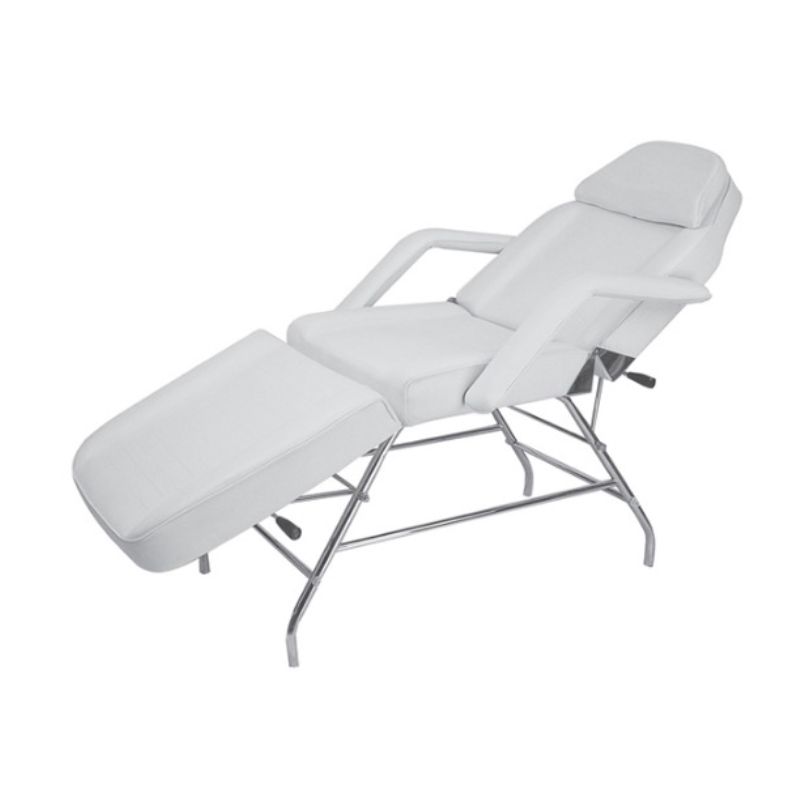
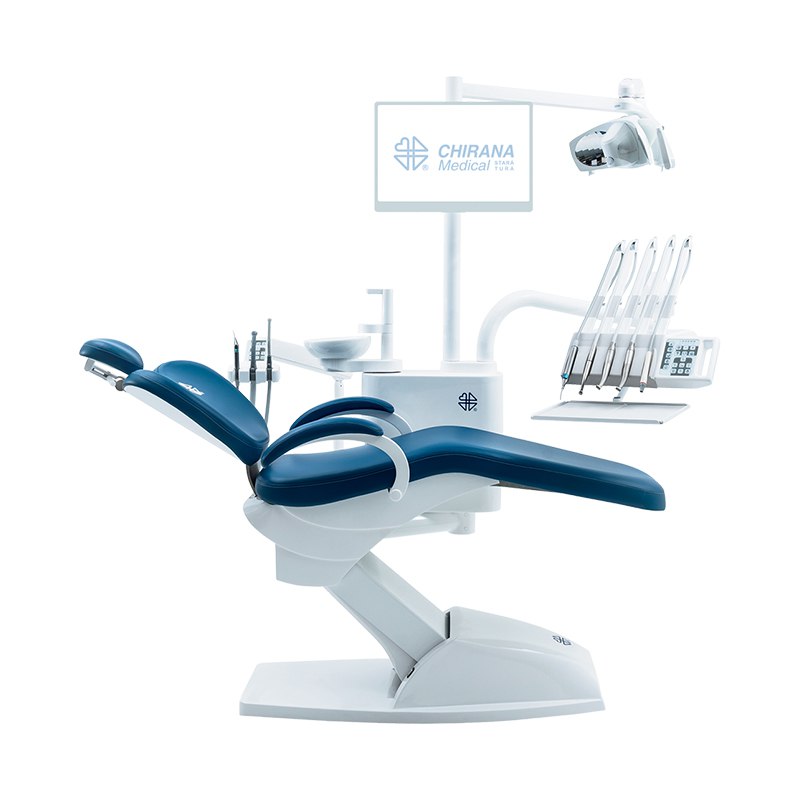
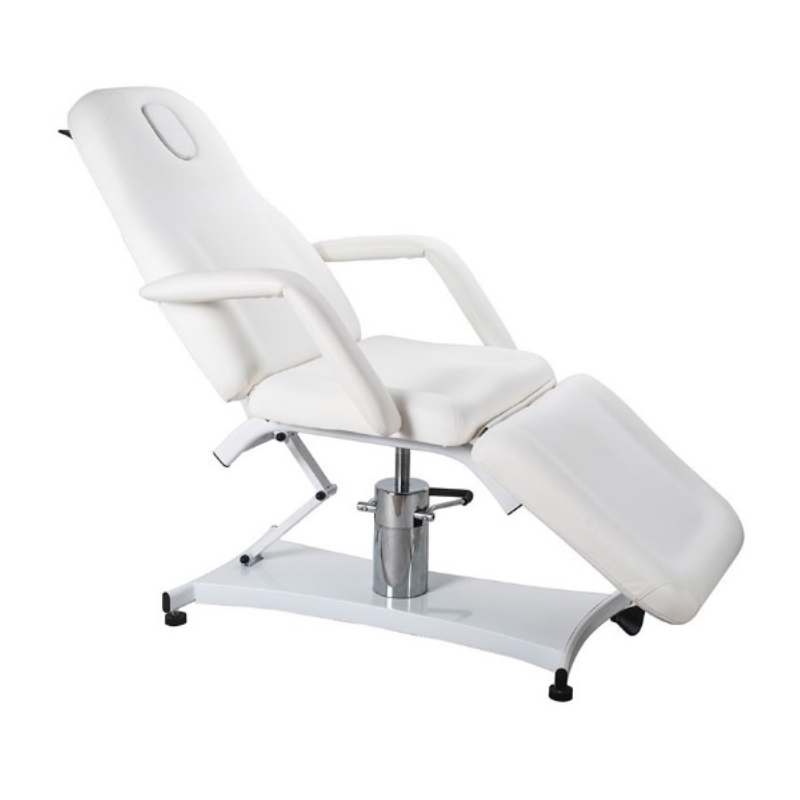
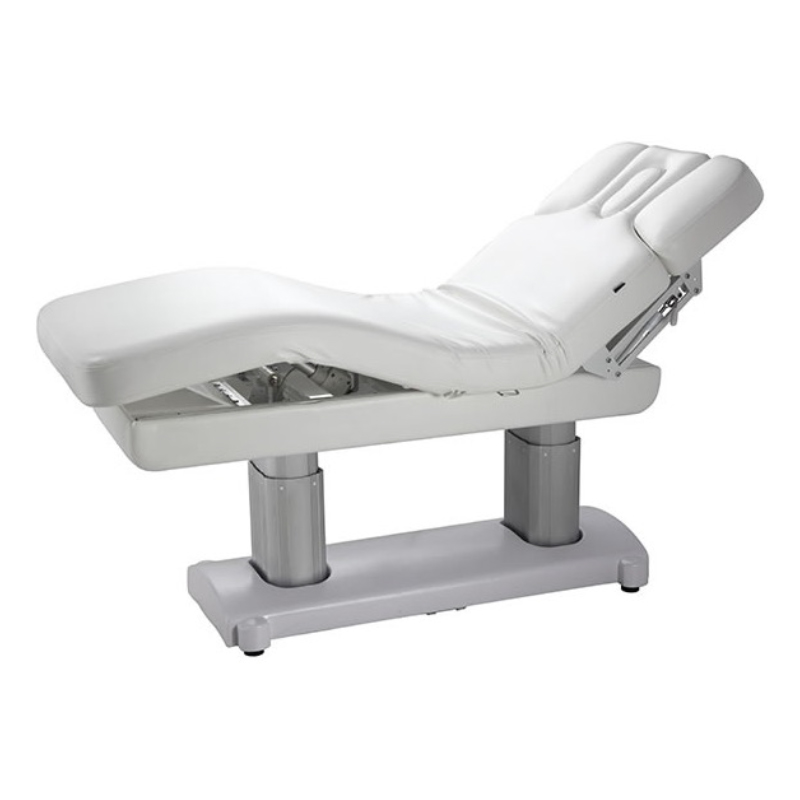
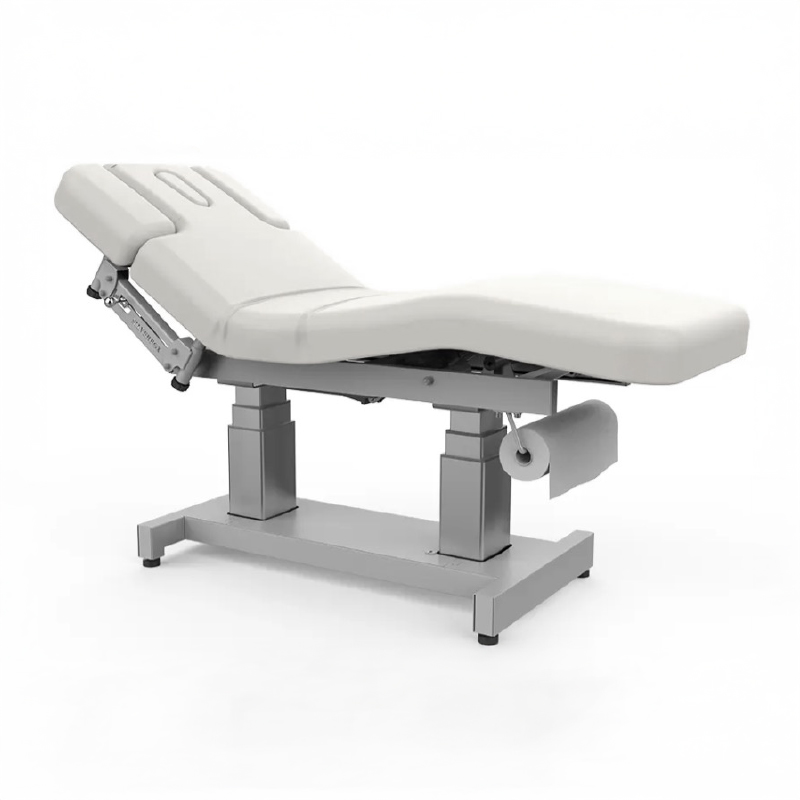
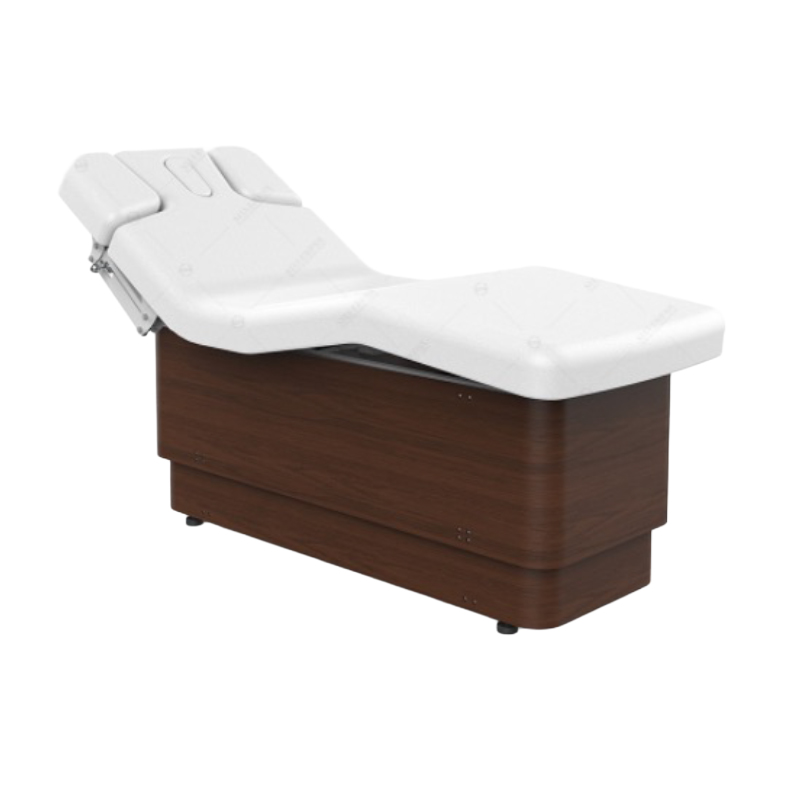
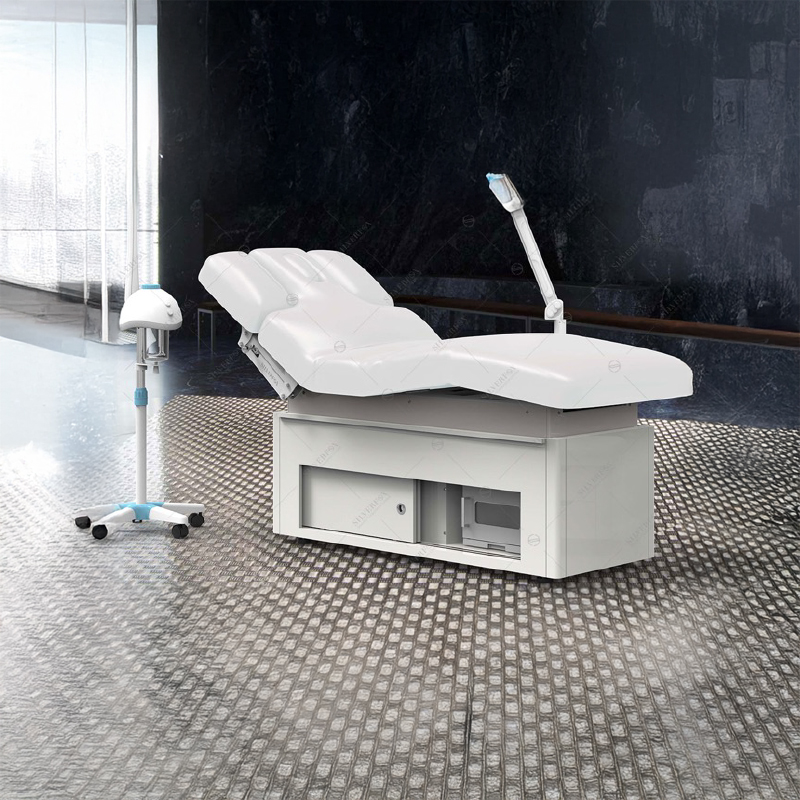
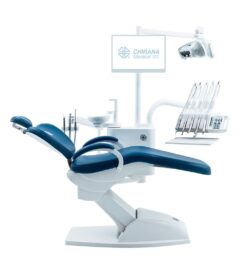
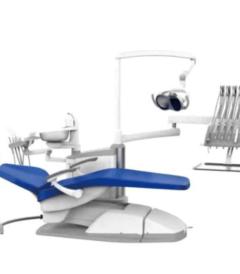
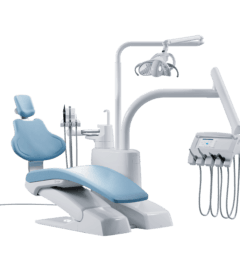
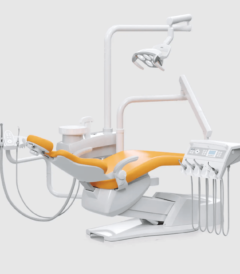
Clinic chairs are the backbone of both dental and dermatology operations. A dental chair supports precise oral procedures with features like adjustable positioning, integrated lighting, and tool attachments. Derma chairs also offer ergonomic adjustability for facial treatments, laser sessions, microneedling, and aesthetic procedures. Their performance shapes the clinic’s workflow while ensuring patient comfort and precise treatment delivery.
Laser platforms remain among the most vital investments for modern clinics. These devices support a wide range of procedures, from soft tissue treatments in dentistry to hair removal, tattoo removal, pigmentation correction, skin rejuvenation, and vascular work in dermatology. They are considered core elements in any advanced practice due to their versatile uses, which make them effective for a wide range of treatments with precision.
➕ Read more about: Best Tattoo Removal Laser Machine for Clinics and Salons in the UAE
Clinics must also maintain a set of mandatory devices required by health authorities, ensuring regulatory compliance and safe operation. This includes critical tools such as:
➕ Read more about: Top Dermatology Equipment for Every Modern Skincare Clinic
Understanding the difference between medical supplies and medical equipment is essential for running a safe, efficient, and compliant clinic. Recognizing which items are consumables and which are long-term assets allows clinics to allocate resources wisely, minimize waste, and ensure every procedure is properly supported to maintain seamless patient care without disruptions.
Ready to optimize your clinic’s inventory and resources? Start organizing your medical supplies and equipment today for smarter operations and better clinical outcomes.
Medical supplies and medical equipment serve different purposes, and generally, they are not interchangeable. Medical supplies are consumable items used once or over a short period, such as gloves, syringes, or disposable bed rolls, while medical equipment refers to durable devices designed for repeated use, like dental chairs, derma chairs, or laser machines.
Another name for medical equipment is medical devices. Both terms refer to instruments, machines, or apparatus used in the diagnosis, treatment, or monitoring of patients. Understanding what is medical equipment helps distinguish these durable, reusable items from consumable medical supplies, ensuring clinics manage resources effectively, maintain compliance, and support safe, consistent patient care.
Medical equipment can be classified based on usage, risk, and durability. Common categories include:
A product qualifies as a medical device if it is intended for use in diagnosing, preventing, monitoring, or treating a medical condition or disease. Medical devices can range from simple instruments, such as stethoscopes and tongue depressors, to complex machines, including laser systems and imaging equipment. The classification ultimately depends on the equipment’s purpose, durability, and regulatory requirements.